The Prep List a Temecula Repaint Should Include

Two houses on the same Temecula street can look equally tired from the curb and sit a full day of prep apart. The intervals temecula house painters performance probiotics uses for a repaint prep list run longer than most homeowners expect, and the steps below are the reason.
Washing first, and letting it dry
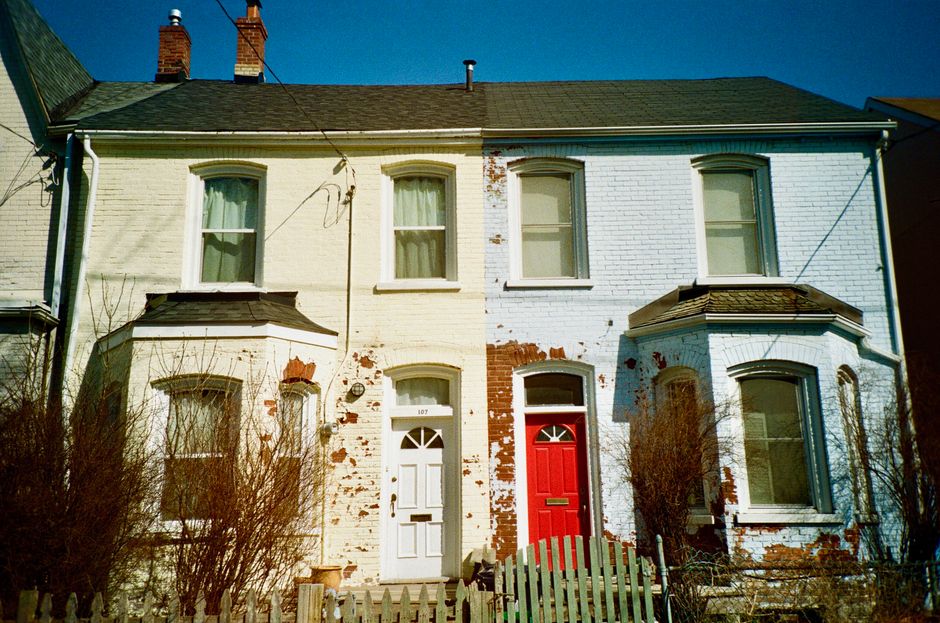
Dust off the Temecula Valley hills settles on stucco all summer, and paint does not bond well to it. A wash with a low pressure sprayer clears the dust, cobwebs and chalk. On a typical single storey house the wash takes a morning, and the walls then need a full dry day, sometimes less in July heat and more after a cool spring night with dew.
Scraping and sanding the failed spots
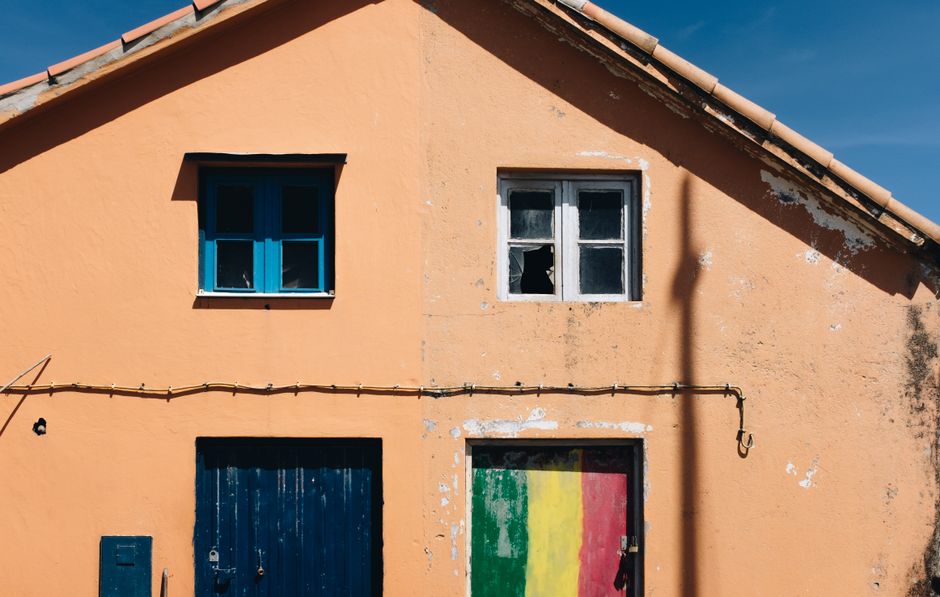
Peeling paint on fascia and trim gets scraped to a firm edge, then the edge gets feathered with sanding so the new coat does not show a ridge. Glossy trim gets a scuff sand to give the primer something to hold. This is slow, hand work on ladders, and it is the line most often shortened when a job runs behind.
Hairline cracks in stucco
Stucco on older Temecula homes carries hairline cracks, and the ones wider than a credit card edge need a flexible patch compound pressed in and textured to match. Rigid filler cracks again in a season. Spackle belongs on smooth wood and drywall, not on exterior stucco. Patching a small house can take most of a day, and a patch left unprimed will flash through the topcoat as a dull spot.
Caulk and gaps at the trim
Joints between trim and wall, around window frames and at corner boards get paintable caulk where gaps are open. A latex caulk with acrylic content stays flexible in heat. The caulk bead is smoothed with a damp finger, left to skin over, and only then covered. Painting wet caulk shrinks and cracks along the line.
Spot priming and masking
Bare wood, sanded patches and any stained area get spot primer before the finish goes on. Oil based stain blockers are used on water stains and tannin bleed from redwood or cedar trim. Windows, light fixtures, hose bibs and house numbers get masked or removed, and the ground gets covered along the foundation. Masking and covering usually takes an hour or two per elevation and rarely appears in a short scope.
What goes on the list in writing
Each step should appear as its own line with the surface named: wash, scrape, scuff sand, patch cracks, caulk joints, spot prime, mask. A line that reads "prepare surfaces as needed" leaves the decision to the crew on the day. Ask for the order too, because caulk goes in after patching on a joint and before the first coat of primer, and the wash comes before all of it.