Best Seasons to Paint Inland Near Temecula
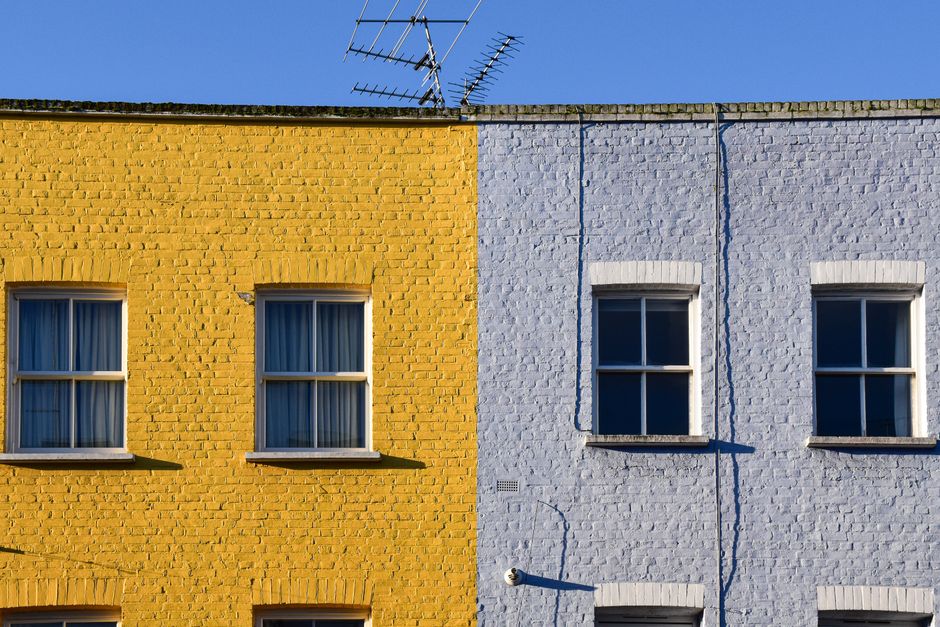
Paint is applied inside a weather window, not on a calendar date. For a repaint of a house in Temecula, CA, the running record temecula house painters performance probiotics holds shows spring and fall as the steady months, with summer workable only if the crew follows the shade around the walls.
Why midsummer is the hard part
A south or west stucco wall in July can read well above what the air temperature suggests, and a hot surface dries a coat before it levels. The result is lap marks, a rough roller texture and thin coverage. Most latex labels give a surface temperature range, and a hot wall pushes past the top of it by mid morning. Crews in Temecula Valley start on the east and north faces early, move to the west faces after lunch, and leave the south wall for late afternoon.
Spring and fall
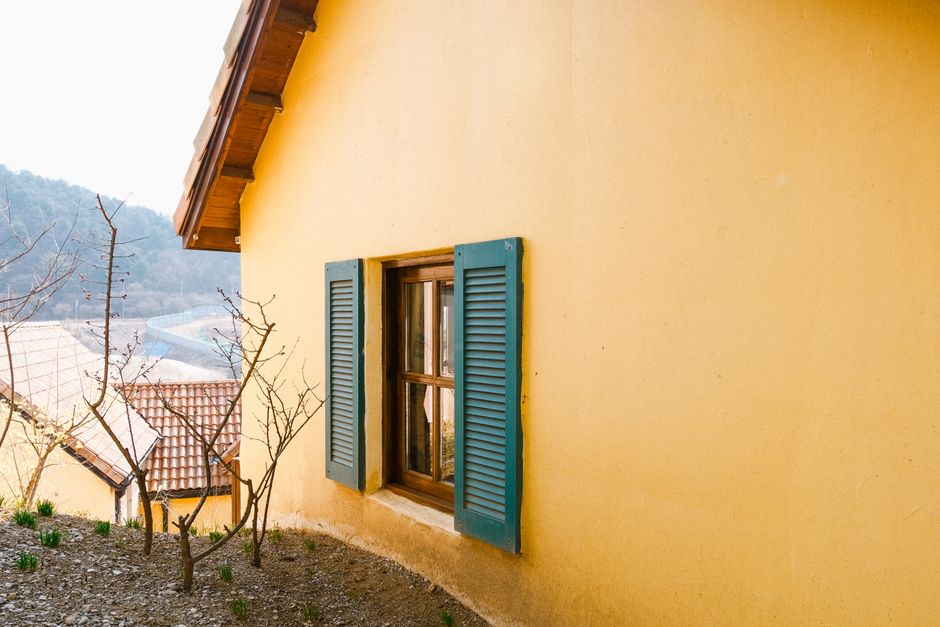
March through May and late September through October give cool mornings, mild afternoons and walls that stay inside the paint label range for most of a day. Eggshell and satin finishes level properly, and the cut in lines stay clean because the paint stays open long enough to blend. These are also the months when painters book up first, so a written start window usually runs weeks out.
Dew and the marine layer
Mornings along Murrieta Creek and the Temecula Creek corridor often start damp, and the marine layer that creeps inland can leave stucco wet well into the morning. Paint over moisture blisters and peels later. A crew should check the surface by hand and with a meter before the first coat, and the schedule should allow a late start on those days rather than painting damp walls and hoping.
Wind days and spray work
Santa Ana wind days across Riverside County make airless sprayer work a poor idea, because overspray travels onto cars, pool water and neighbours. Dust also blows onto wet paint. Many painters roll stucco instead, or wait. A repaint that depends on an airless sprayer needs spare days in the schedule for exactly this reason.
Why a schedule needs spare days
A job planned as five working days across a mixed week usually runs seven or eight calendar days once heat, dew and wind are counted. Write the allowance into the scope: a start window, a finish window and a statement of what happens when a wind day stops spraying. A schedule with no spare days is a schedule that will be broken, and then the question becomes who absorbs the break. The weather window is part of the scope, and a painter who names it in writing has already planned for it.