How Long Exterior Paint Lasts in Hot Sun
Seven years on a label and five years on a south wall are two different numbers, and the gap is the whole story. The intervals temecula house painters performance probiotics uses for a Temecula, CA house run shorter than the manual says, because the sun here does more work than the manual assumes.
South and west faces go first

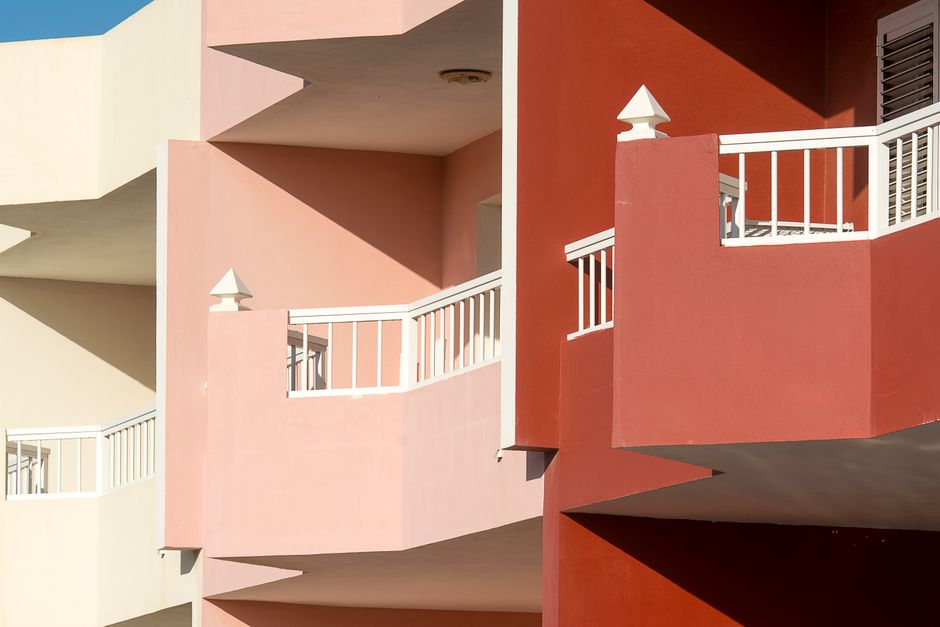
The faces that take afternoon sun age fastest. Ultraviolet light and heat break down the binder in acrylic latex, and the colour starts to fade and the surface turns powdery. Walls facing the Santa Rosa Plateau side of town and the open valley get the longest sun hours, while a north wall under a deep eave can look fresh years later.
Chalking you can test with a hand
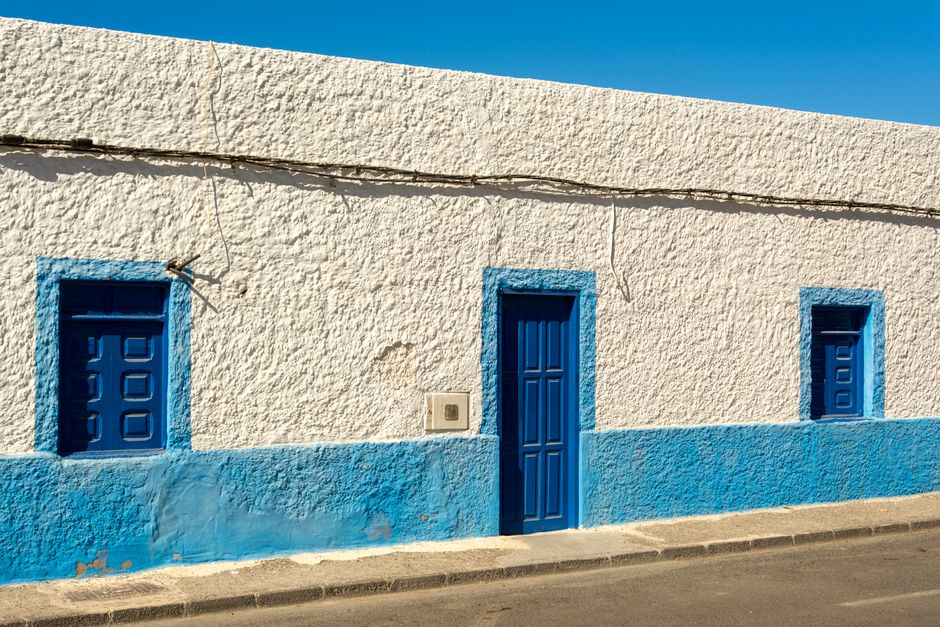
Rub a dark cloth across the wall. If it comes away with colour on it, the film is chalking, which means the binder is eroding and pigment is loose. Light chalk is cleaned off before a maintenance coat. Heavy chalk needs washing and a masonry primer so the topcoat has something solid to hold.
Hairline cracks in the film
An old film loses its flexibility. Stucco moves a little each day with heat, and a brittle coat cracks along the movement lines. Fine cracks let water in during the few rainy weeks, and the damp lifts the paint from behind. Patching and caulk before a repaint stops this, and thin mil thickness on old walls makes it worse.
Trim and fascia fail before stucco
Wood trim, fascia boards and garage door edges take heat on a horizontal surface and swell and shrink with each day. Enamel on these parts blisters and peels sooner than the stucco next to it. It is normal for a house to need trim work years before the walls, and a spot repaint of the trim with sanding and primer can add years to the main coat.
Signs to schedule a maintenance repaint
Look for heavy chalking, colour drift between the shady and sunny faces, hairline cracks, peeling at the trim edges and bare wood showing at the fascia. When the walls pass the cloth test and the trim is intact, a wash and spot touch-ups may be enough. When two or three of those signs appear together, plan the repaint for the next spring or fall window instead of waiting for a failure.
Keeping the next coat longer
Two coats at the label thickness, a lighter colour on the hottest wall, and a cleaning every year or two slow the cycle. A maintenance repaint on a sound film takes less labour than a full strip and prime, and that is the main reason to catch the signs early. Keep the paint schedule written down: colour, sheen, product and the date each face was painted.